Plus-Size Layering Guide: How to Layer Without Adding Bulk
Jul 17,2026 | Voycestas Plus
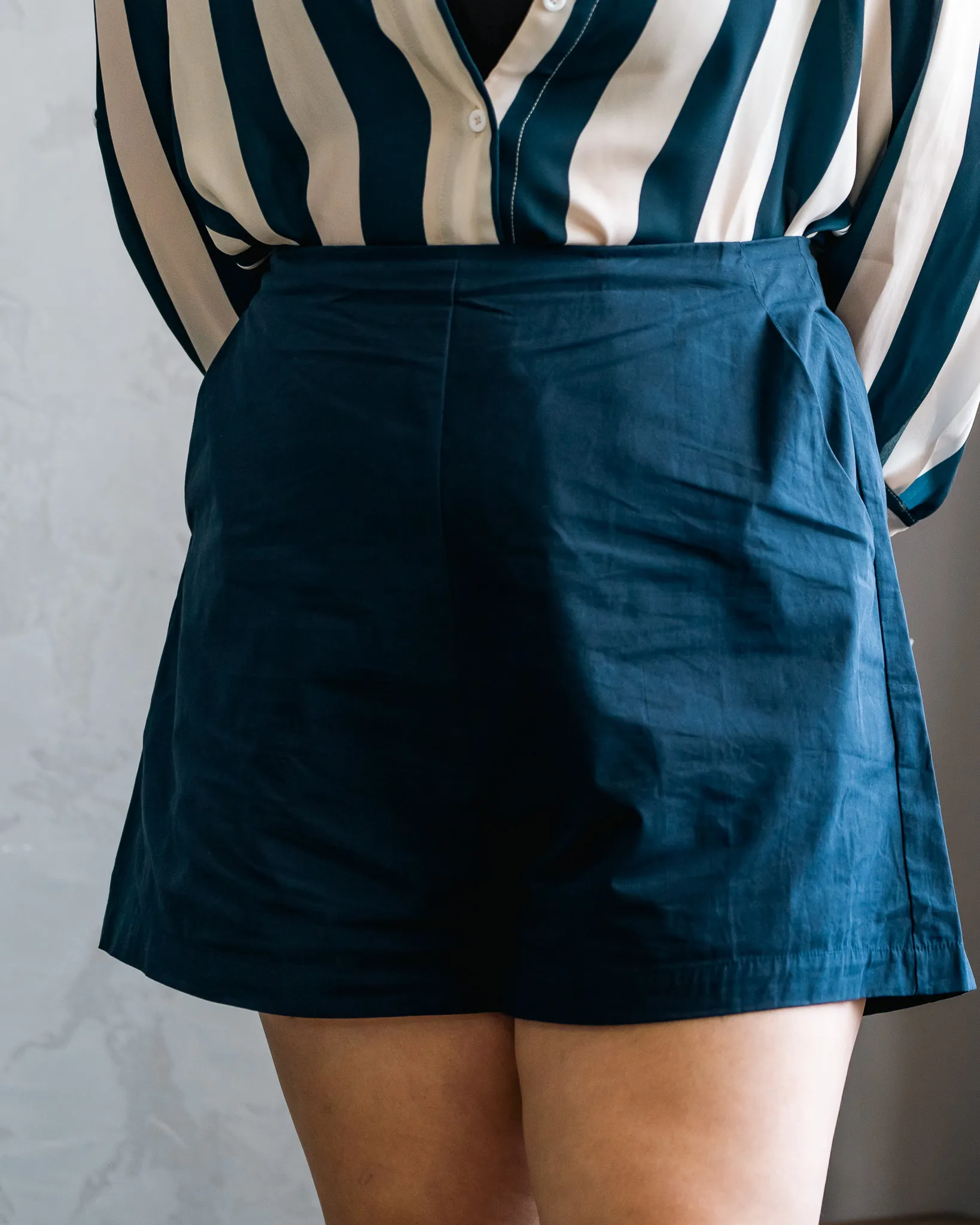
Most of us have a complicated relationship with layering. We love the idea of it, the dimension it adds, and the way it can make a simple outfit look considered and intentional. And then we try it, something feels out of place—and we end up back in the single layer we started with, slightly defeated. For plus-size women, that cycle is familiar enough to have put a lot of us off the whole concept entirely.
But getting out of it does not require a new wardrobe or a complete rethink of your style. Surprisingly, all it requires is understanding a handful of specific things that change how layering works on a plus-size frame. That is exactly what this blog covers.
Lead with a fitted base, always
The single most important thing you can do before adding any layer is start with a base that fits your body properly. This is the step most women skip, instead reaching straight for the outer layer without considering what is underneath it. Unfortunately, it is the reason so many layered outfits end up looking shapeless. A fitted base, whether that is a ribbed vest, a slim-fit long sleeve or a well-cut camisole, gives the layers above it something to contrast against. Without that foundation, each layer has nothing to anchor it and the whole outfit appears as an undifferentiated mass of fabric. The base does not need to be tight, just fitted enough to establish your silhouette.
- Keep the base as slim in profile as possible, even a marginally thicker fabric here will be felt across the entire outfit.
- Neutral base layers in the same family as your outer layers create a more seamless, elongated look.
- A base that is slightly longer than the layer above it, visible at the hem, adds intentional dimension without bulk.
Use fabric weight as your main tool
Most women think about colour or pattern when they are layering, but fabric weight might be the hidden variable dragging them down. Layering two heavy fabrics together, such as a thick knit over a structured shirt, compounds the volume cumulatively. The goal should be contrast in weight: a lighter fabric underneath a slightly more substantial one, or vice versa. And there are endless combinations—a chiffon blouse under a tailored blazer, a thin ribbed knit under a woven jacket, a silk-feel camisole under a denim shirt worn open. Each creates visual interest without stacking weight on top of weight.
- When in doubt, the outer layer should always be slightly more structured than what is underneath it.
- Avoid doubling up on jersey or stretchy fabrics when layering, they tend to cling to each other and create an uneven, lumpy silhouette under outer layers.
- Linen, chambray and lightweight cotton are particularly good layering fabrics for plus-size women because they add coverage without weight.
Think vertically, not horizontally
One of the quieter principles behind successful layering is keeping the visual lines of an outfit moving up and down rather than across. Horizontal layers, a short jacket that ends at the hip, a cropped cardigan that sits across the widest part of the torso, draw the eye sideways and add width. Vertical ones do the opposite. An open shirt worn as a layer creates two vertical columns of fabric that lengthen the silhouette. Similarly, a long line cardigan or duster coat draws the eye from shoulder to hem in one unbroken movement, while a scarf draped vertically down the front of an outfit does the same thing on a smaller scale.
- An open layer will almost always be more flattering than a closed one on a plus-size frame because it creates that vertical line while still showing the outfit underneath.
- Avoid cropped outer layers that sit across the hip, they are one of the most common culprits for adding horizontal width.
- A long pendant necklace worn over a layered outfit easily reinforces the vertical line and ties the whole look together.
Monochrome layering is doing more than you think
Tonal dressing (wearing different pieces in the same or similar colours) is one of the most underused tools in plus-size layering, and the reason it works so well is surprisingly simple. When there is no strong colour contrast between your layers, the eye reads the outfit as one continuous silhouette rather than a series of separate pieces stacked on top of each other. That unbroken visual line is inherently more elongating and less bulky than a combination where each layer screams itself in a different colour. It does not mean everything needs to be identical, though, as different textures and finishes within the same colour family, like a camel knit over a cream shirt over a tan trouser, create plenty of interest while keeping the overall silhouette clean.
- The slight variation in shade between tonal layers adds dimension to an outfit in a way that flat, single-colour dressing does not.
- Texture contrast within a monochrome palette, matte against shine, smooth against ribbed, is the detail that keeps tonal layering from looking flat or uninspired.
- When layering in one colour family, vary the finish of your fabrics deliberately. A satin camisole under a matte linen shirt, for instance, adds a luxurious detail that reads well without extra visual noise.
Proportion is the thing nobody talks about enough
Layering well is fundamentally a proportion exercise. That said, getting the lengths right between your pieces is what distinguishes a considered layered outfit from one that looks like an accident. The most common mistake is wearing layers that are all the same length, which creates a boxy, undefined silhouette with no visual variation. To avoid that, try staggering the lengths of your pieces, so that each layer is either clearly shorter or clearly longer than the one beneath it. This creates structure and intention. A tip that most style guides do not mention is that the difference in length between layers needs to be obvious to read well. A layer that is only slightly shorter than the one beneath it looks like a fitting error instead.
- A good rule of thumb is at least a three to four inch difference in length between each layer for the staggering to register clearly as purposeful.
- The longest layer in an outfit should almost always be the outermost one, as it draws the eye downwards and creates the most elongating silhouette.
- Tucking the front of a base layer into a high-waisted bottom before adding an outer layer creates a defined waist within the outfit that the outer layer does not entirely obscure. This move instantly adds shape without requiring the outer layer to be fitted.
The half tuck is worth taking seriously
The half tuck, where the front of a top or shirt is loosely tucked into a waistband while the back hangs free, is one of those ingenious styling tricks that looks casual and requires almost no effort but does a significant amount of work for the overall outfit. For plus-size women specifically, it creates a waist definition that a fully untucked layer cannot, while the untucked back keeps the look relaxed and avoids drawing the fabric tight across the hips. It also breaks up the visual line of an outfit effortlessly, which is the quality all good layering is working towards.
- The half tuck works best with lighter, less structured fabrics, a stiff or heavy fabric will not hang naturally enough at the back for the effect to read well.
- Try it with an oversized shirt worn over a fitted camisole and high-waisted trousers, front tucked, back out, and the shirt worn open as an additional layer over the whole thing.
- A half tuck into a high-waisted skirt or trouser elongates the torso significantly, especially when the tucked layer and the bottom are in similar or tonal shades.
Your outerwear is a layer too, and it is doing the most work
Most women think about layering in terms of what happens between the base and the outer layer and forget that the outermost piece, as in the coat, cardigan, jacket or blazer, is also part of the layering equation and arguably the most impactful one. For plus-size women, the cut of the outer layer determines more about the overall silhouette than almost anything underneath it. A longline coat in a structured fabric worn open over a layered outfit immediately pulls everything together and creates a clean, polished silhouette regardless of what is happening underneath. A short, boxy jacket over the same outfit does the opposite.
- A single-breasted or open-front outer layer is almost always more flattering on a plus-size frame than a double-breasted one, which adds horizontal width across the chest and torso.
- Investing in one well-cut longline blazer or coat will do more for your layered outfits than any number of shorter outer layers, it is the piece that makes everything else work.
- When trying on outer layers, always wear a representative base outfit underneath, because the fit of the outerwear changes significantly depending on what is beneath it, and shopping for a coat over a thin T-shirt will almost never give you an accurate picture of how it will actually wear.
Looks natural but is learnable
Good layering is less about having the right pieces and more about understanding how to use the ones you already have. Once the principles click, the instinct to reach for more fabric as a form of coverage starts to be replaced by something more considered, and the outfits that come out the other side tend to be more interesting. Start with the base, watch the fabric weights and let the lengths do the work.
The Voycestas Plus range includes pieces that layer beautifully across the full plus-size size range. Build your layering wardrobe at Voycestas Plus now.