What is Inclusive Sizing? Why Size Diversity Shapes the Future of Fashion
May 15,2026 | Voycestas Plus
The words “inclusive sizing” get used a lot these days, by brands, by campaigns, and by well-meaning press releases announcing that fashion is finally changing. Sometimes that is true, but sometimes it is a size 10 added quietly to an existing range with very little else shifting behind the scenes. The difference between real size inclusivity and a marketing gesture is worth knowing—because while one of them is transforming the way fashion works, and the other is just good optics.
Caught for time?
Inclusive sizing means offering a consistent range of sizes with the same quality, design and care across the board. The fashion industry has made substantial progress over the past decade, driven by consumer demand and body positivity. However, true inclusivity goes much further than adding a few extra sizes to a collection. As a shopper, the brands worth your time are the ones building size diversity into their process from the start, not bolting it on at the end.
What does “inclusive sizing” mean?
Inclusive sizing refers to designing and producing clothing across a wide, representative range of sizes, typically from a size 6 to a size 20 or beyond, with consistency in fit, design and quality throughout. That last part is where most brands fall short.
A label that offers a capsule collection in extended sizes, with different styles, inferior fabrics or a fraction of the design options available in its standard range, is not inclusive. It is a compromise dressed up as progress. True inclusive sizing means every customer, regardless of size, has access to the same quality and the same breadth of choice, without having to search for it.
Where did the push for inclusive sizing come from?
The movement has been building for decades, but it gathered real momentum in the 2010s, driven by plus-size bloggers, body positivity advocates and a swell of consumer demand that brands could no longer sidestep.
Significantly, social media was the accelerant. It gave plus-size women a platform to document their experiences, call out poor sizing practices and celebrate the brands doing better, loudly and publicly. What had previously been dismissed as a niche concern became a mainstream conversation over a relatively short amount of time, and an industry always attuned to where attention and spending power are moving began, slowly, to pay attention.
Why does size diversity matter beyond representation?
The commercial case writes itself. A substantial portion of the global population wears plus sizes, and for years that population has been underserved by an industry built around a narrow template. In the United Kingdom, for example, the average dress size sits at around a 16, which means the majority of women have long been shopping at the edges of what most retailers offer.
In Singapore, though, the dynamic plays out differently. Sizing culture in much of Southeast Asia skews heavily towards smaller labels, with S and M treated almost as the default. This leaves women who fall outside that range with limited options and, often, the unspoken implication that the problem lies with them rather than the sizing system.
This showcases two very different markets with two very different cultural pressures, but the same outcome: a significant portion of women finding that fashion was not quite designed with them in mind.
When fashion consistently excludes certain bodies, it communicates something about which bodies are considered worthy of attention, and that has a tangible effect on how women see themselves. Representation in fashion is not a soft concern. It shapes self-perception in ways that are difficult to overstate. Studies have found that women who rarely see their body type represented in fashion and media report lower self-esteem. For an industry built on aspiration, that is a significant thing to get wrong.
What does genuinely inclusive sizing look like in practice?
It goes considerably further than extending a size range on a spreadsheet. Here is what it looks like when a brand is doing it properly:
- Pattern grading across the full size range. Most brands grade their patterns incrementally from a sample size, which means fit can deteriorate significantly by the time it reaches larger sizes. Brands committed to inclusive sizing grade their patterns with intention at every size, often creating separate blocks for different size ranges to ensure the proportions, seam placement and silhouette remain consistent throughout.
- Plus-size fit models at the design stage. Fitting a garment exclusively on a size 8 or 10 model and scaling up is a practice that has long produced poorly fitting plus-size clothing. Brands serious about inclusivity use fit models across the full size spectrum during development, so fit issues are identified and resolved before the garment goes into production.
- Consistent fabric and design quality. A brand’s extended size range should carry the same fabrics, design details and seasonal breadth as the rest of the collection. A limited selection of basics in plus sizes, while the core range offers something far more considered, is still a compromise.
- Equal visibility and access. Inclusive sizing extends to how products are presented. Plus-size options photographed on diverse models, styled with the same creative care as the rest of the range, and accessible within the same shopping experience rather than a separate section, signal that the commitment runs deeper than the label.
Is the fashion industry changing?
Progress has been real, if uneven. A growing number of brands have committed to wider size ranges and more representative campaigns. Over the years, the plus-size market has also expanded in both volume and design quality, and runways have become noticeably more diverse of late.
Brands that fall short are increasingly held to account (sometimes very publicly). Abercrombie & Fitch is perhaps the most cited example, having spent years marketing exclusively to a narrow body ideal before a wave of public criticism and a significant reputational reckoning forced a visible change in direction. It is a pattern that has played out across the industry in various forms, and it has made one thing clear: positioning your brand against certain bodies is not a look that ages well.
What has changed most, perhaps, is not the industry itself but the people shopping in it. Consumer expectations have shifted in ways that brands can no longer afford to underestimate, and that matters as much as anything happening at the industry level. Shoppers have become considerably more discerning about the difference between a brand that has made inclusivity a design principle and one treating it as a seasonal talking point. Tokenism still exists, but it is harder to pass off than it once was, and that pressure from consumers is precisely what keeps the industry moving forward.
What should you look for as a shopper?
Become a more informed shopper by keeping an eye out for:
- A consistent size range across the full collection, not just selected styles or a separate capsule edit.
- Equal presentation, meaning plus-size options styled and photographed with the same care as the rest of the range.
- Process over platitudes, brands worth your time talk about inclusivity in terms of design decisions, not values statements on an about page.
- The fit when it arrives, because ultimately the product itself tells you everything a campaign never will.
When in doubt, consult the reviews, specifically the ones left by women who share your size. Those who have worn the piece will give you the clearest picture of what to expect.
The future, at Voycestas Plus
Fashion has always reflected the culture it exists in, and a culture confronted with inclusion will, over time, produce an industry that dresses everyone well. That revolution is already underway, driven not by goodwill alone but by the spending power and vocal presence of women who have spent too long being told the good stuff was not made for them. Inclusive sizing is not a trend with an expiry date. It is the direction fashion is heading, and it is picking up speed.
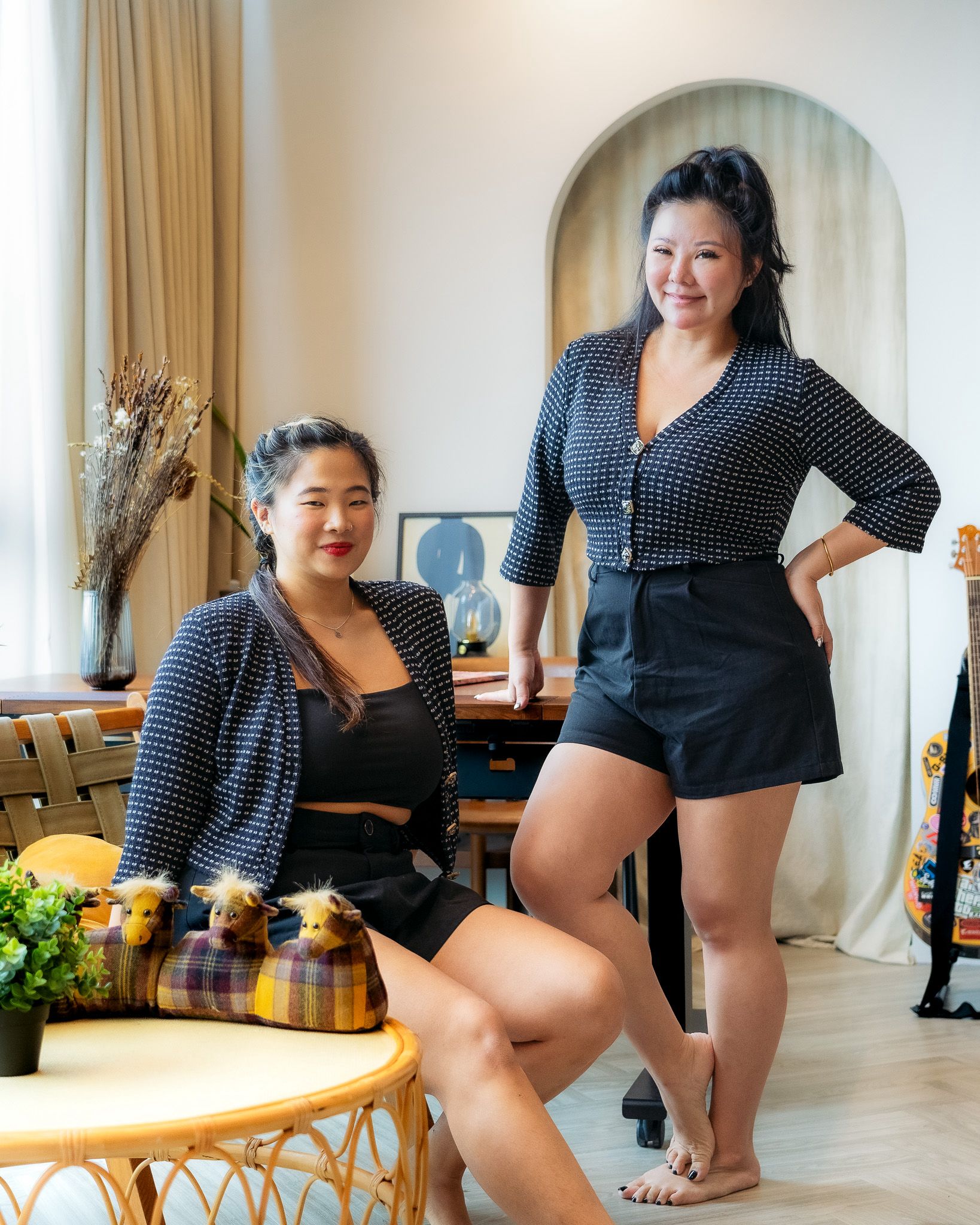
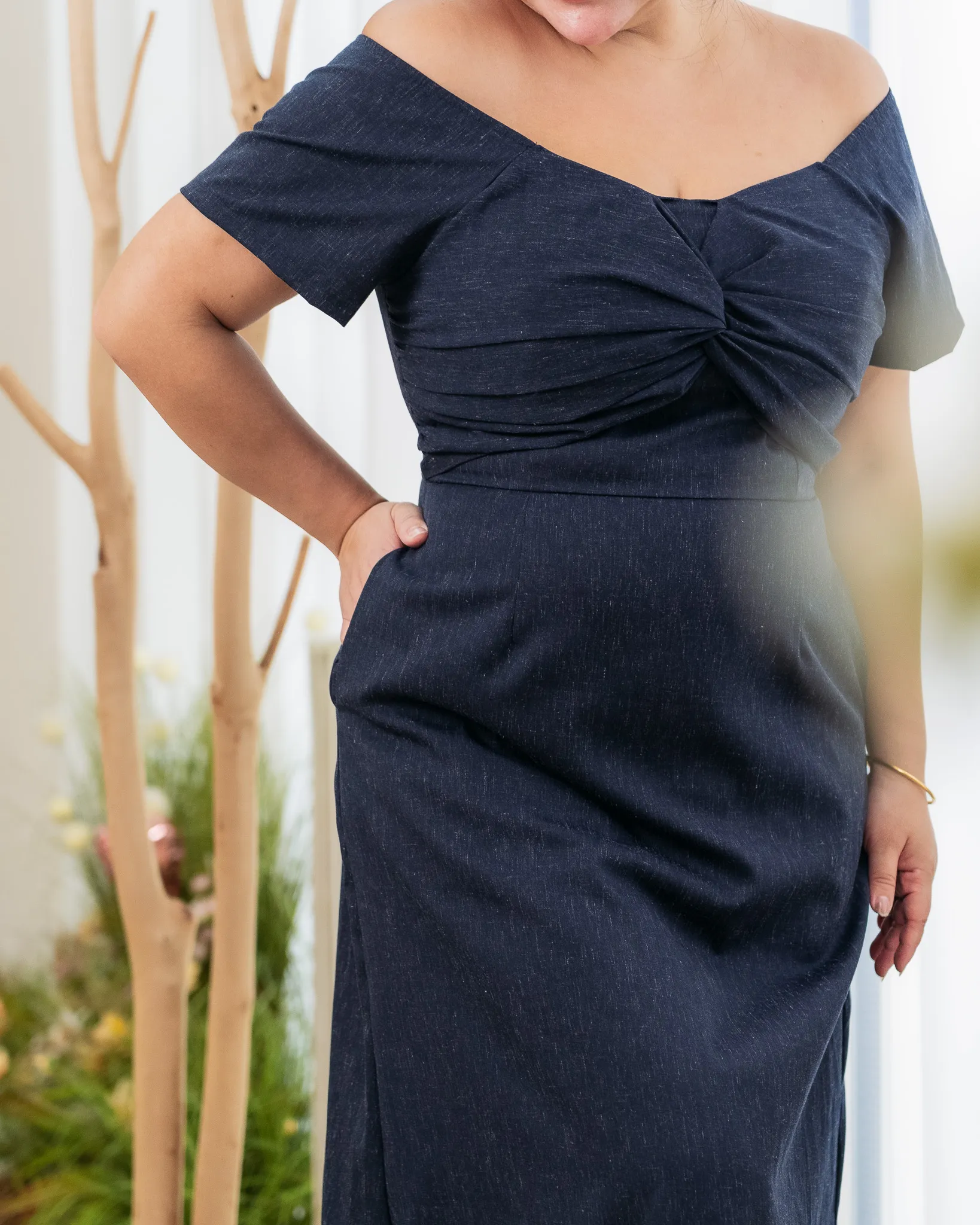
Voycestas Plus was built on that principle, each piece in our collection designed with plus-size women in mind from the very start, accounting for consistent fit, quality fabrics and styles that embrace your natural physique. If you are looking for a brand that treats inclusive sizing as a standard rather than a statement, discover Voycestas Plus, and find fashion that was made for you, specifically and uniquely.
Telegram us at 8268 0023 for a fitting appointment.